


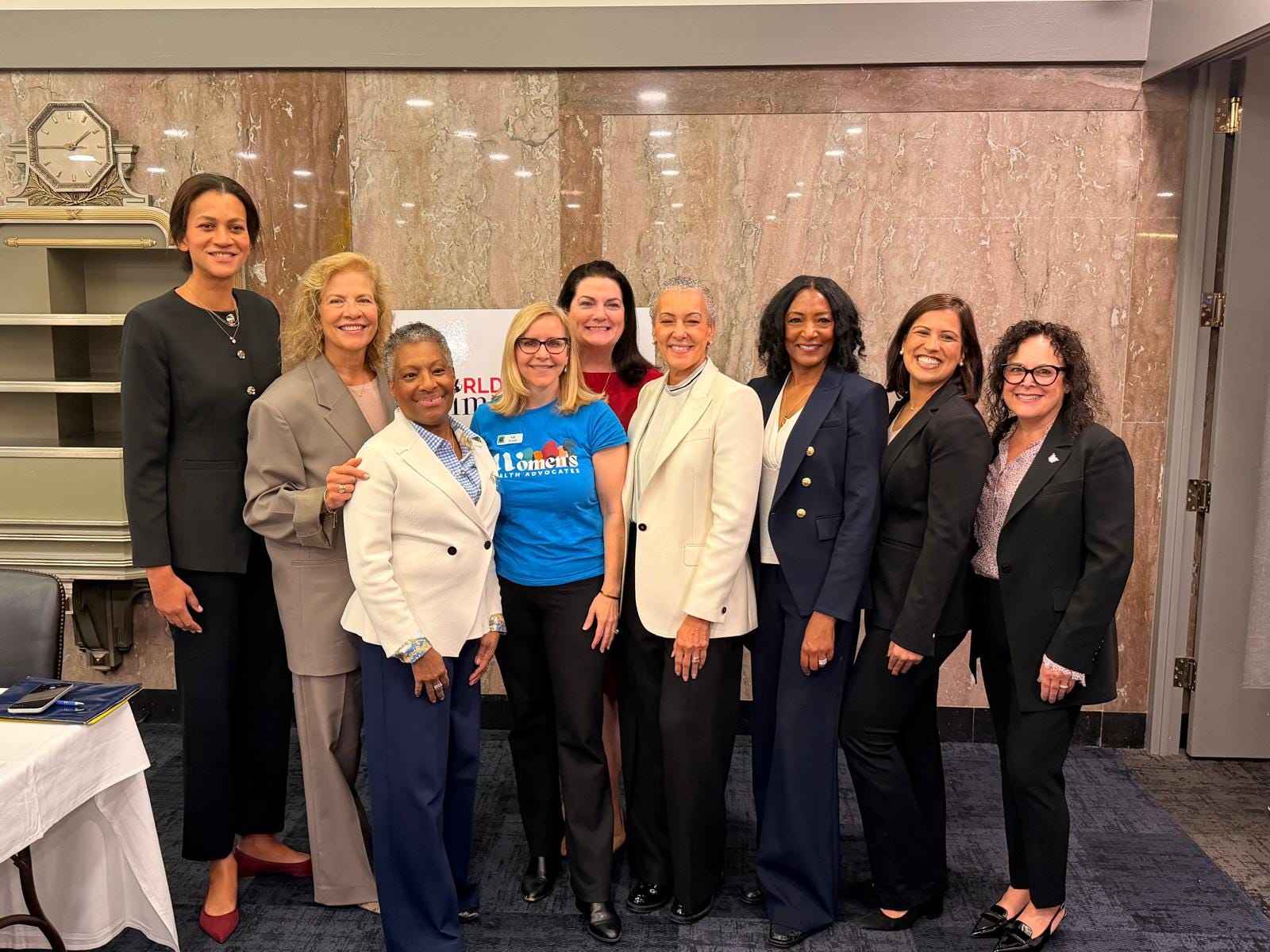
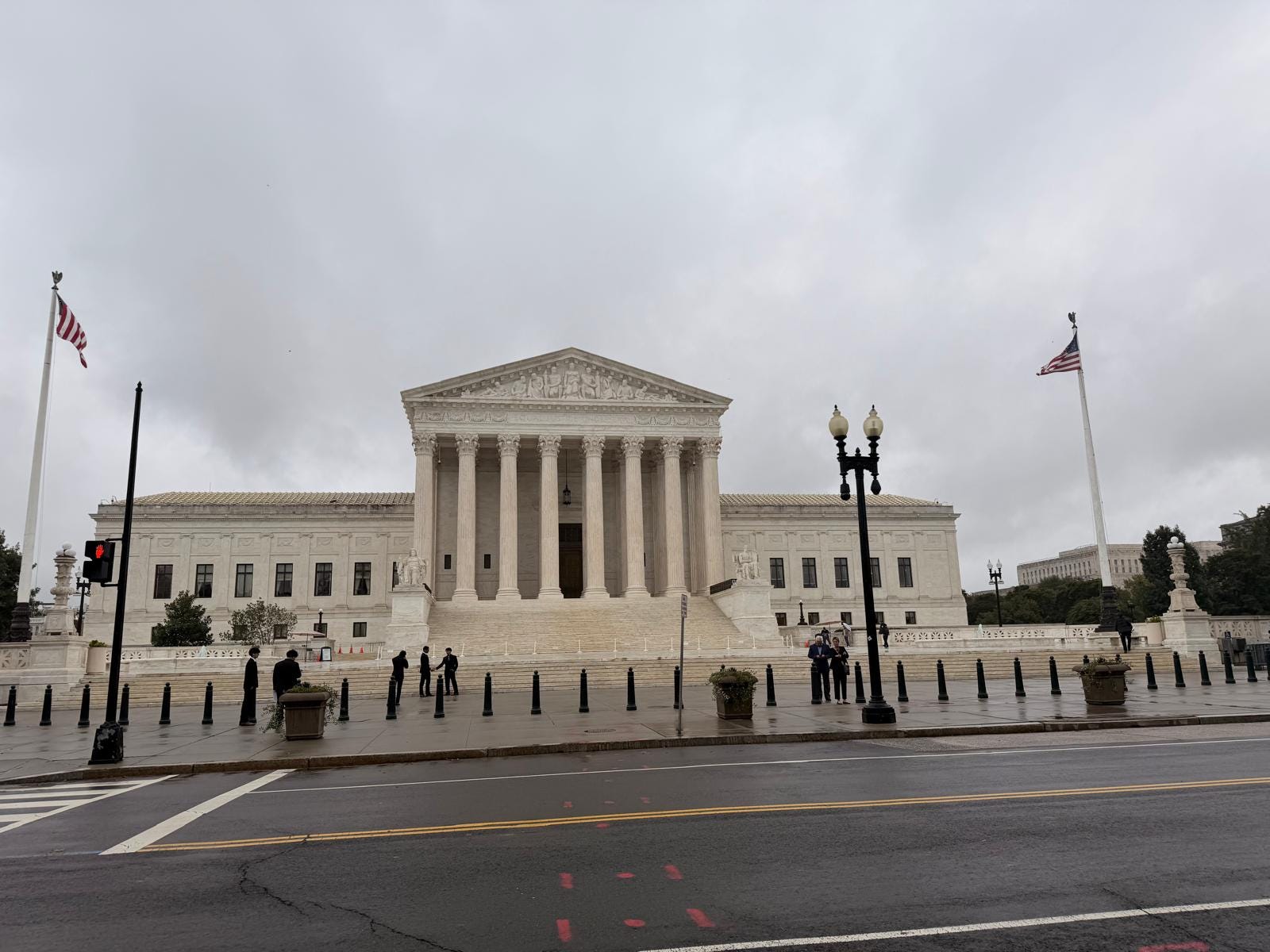
I stood on the steps of the Capitol yesterday, surrounded by women who understood something without anyone having to explain it to them. Menopause isn’t something we quietly manage on our own. It’s something our systems have failed to prepare for, and that failure has a price tag.

Here’s something I don’t say often: I went through medical school and never once learned about menopause. Not a single lecture. Not one afternoon. I finished my training and walked into a career treating patients for a life stage no one had taught me to recognize. That’s not a personal gap. That’s the standard we’ve all been living with.
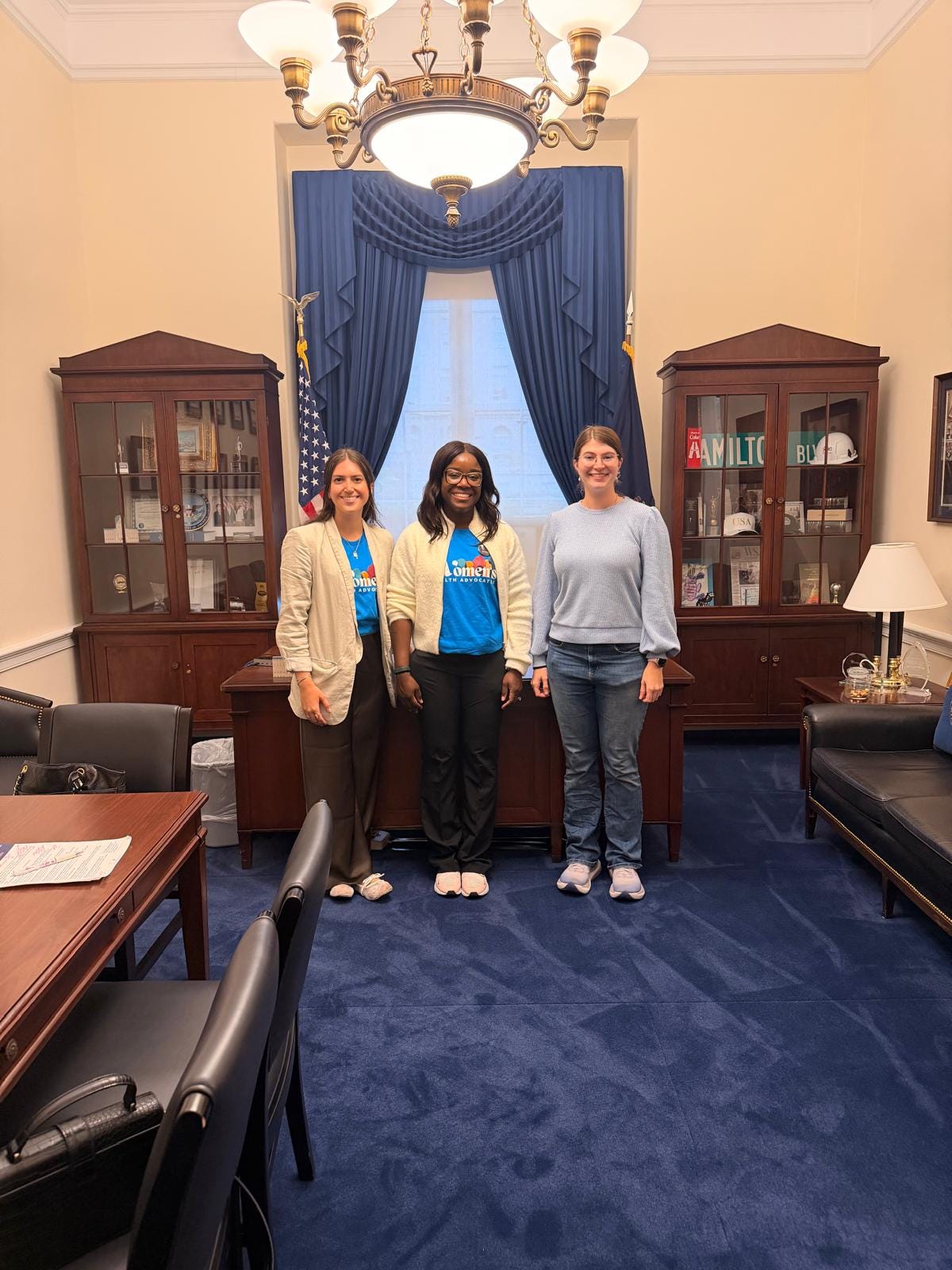
So when I sat down with congressional staffers this week, that was where I started.
A Story I’ve Heard a Hundred Times
I told them about my patients. Women losing more than $1,000 a month, some in medical bills, some in the raise or the promotion that quietly slipped away while they were struggling to function. I want to be clear: this isn’t a handful of unlucky cases. Right now, only about a quarter of women with real menopause symptoms are getting any care at all, even though a third of them are dealing with symptoms serious enough to upend a normal day. The story I told wasn’t rare. It was representative.
Three Bills, and What Each One Actually Fixes
The first bill I brought up was the Menopause Education for Medical Students Act. It would finally require medical schools that receive federal funding to teach this. I am living proof of what happens when they don’t.
The second was the Menopausal Workers’ Fairness Act. This is the one for every woman who’s had to choose between pushing through a symptom flare and protecting her paycheck. It would guarantee reasonable workplace accommodations, so no one has to make that choice.
And the third, the Advancing Menopause Care and Midlife Women’s Health Act, is the one that funds the whole system catching up: $275 million over five years for research, provider training, and public education, already backed by senators from both parties.
What Actually Moved the Room
Here’s what surprised me. It wasn’t the statistics that shifted a meeting. It was one simple question: do you have someone in your own life who’s gone through this? A mother. A sister. Maybe even themselves. Every single time, something in the room softened. The data got us in the door. The honesty is what got us heard.
Here’s What I’m Asking You to Do
You don’t need a white coat or a plane ticket to Washington. Pick up the phone, call your representative’s office, and ask them to support these bills. Here’s the full list, so you have it on hand:
Advancing Menopause Care & Midlife Women’s Health Act (S. 4503/H.R. 9090) — $275M over five years for research, provider training, and public education.
Menopause Education for Medical Students Act (H.R. 9273) — requires menopause training in medical schools.
Menopausal Workers’ Fairness Act (H.R. 9671) — workplace accommodations for menopause symptoms.
Servicewomen & Veterans Menopause Research Act (S. 1320/H.R. 2717) — closes research gaps for servicewomen and veterans.
Improving Menopause Care for Veterans Act (H.R. 219) — fixes gaps in VA menopause care.
Hormone Health Data and Research Act (H.R. 9077) — directs NIH and HHS to study hormone variability.
There’s also a $5 million funding request for a Menopause Research Action Network already approved in last year’s budget. We’re just asking Congress to keep it going.
A doctor who was never taught to see this can’t catch it. A worker with no protections can’t hold a job her own body is working against. A field with no funding can’t find the answers either of them needs. All six of these bills, together, start to change that.