


I gave a talk about Menopause 101 this Saturday. Great engagement. Real conversation. And then a woman raised her hand with a question I hadn’t heard before.
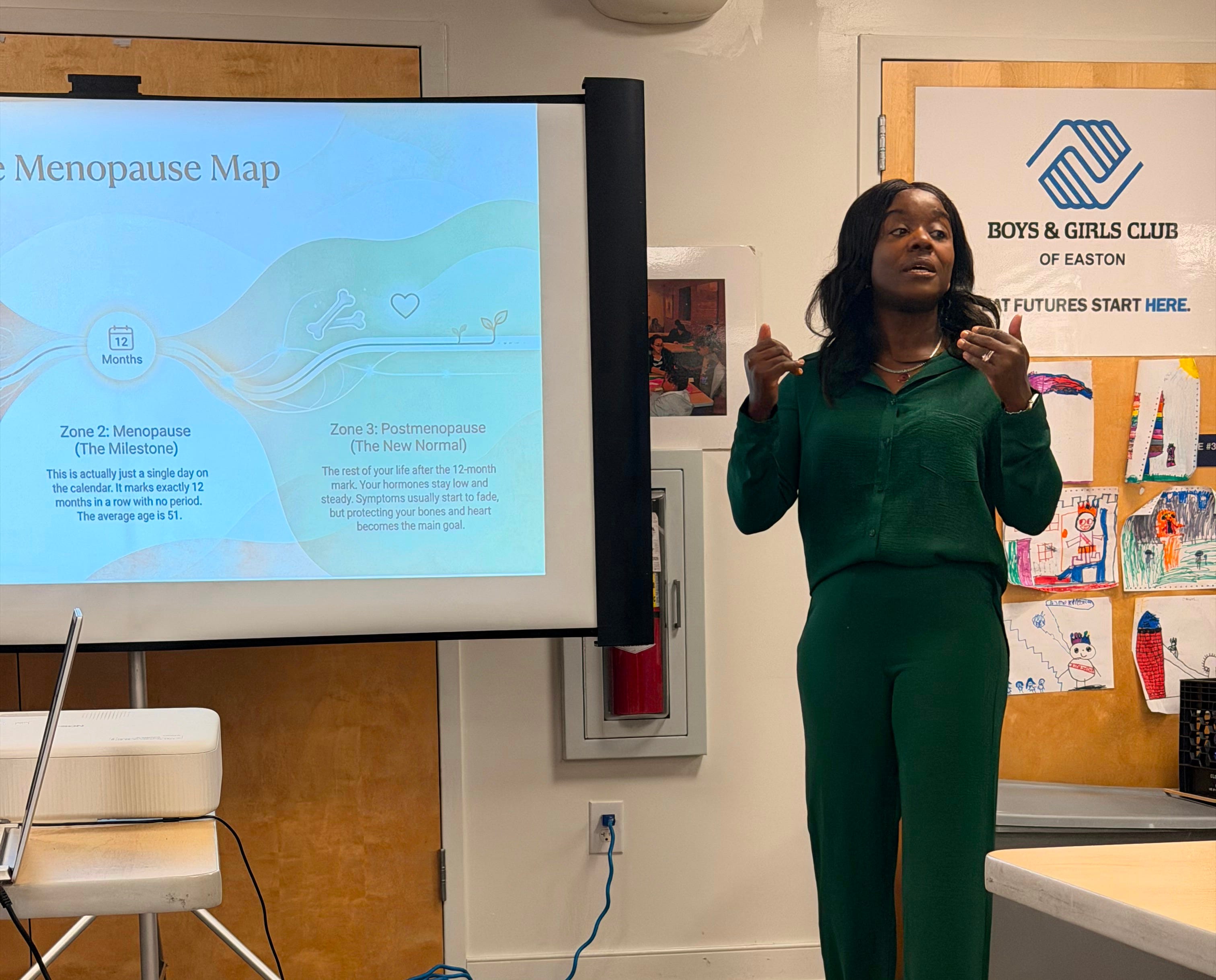
“Is menopause genetic?” she asked. “Because I never knew how to ask about it, and my mother never told me anything.”
That question stopped me. Not because it was complicated. But because it was honest. Because it showed me that there are women walking into their 40s and 50s without the most basic information about their own bodies—not because doctors didn’t tell them, but because their mothers couldn’t or wouldn’t.
And then I saw the real question in her face: If my mother never told me, how would I know what to look for? How would I plan?
Here’s the answer: Yes, menopause age runs in families. And more importantly, it matters to your money.
The Genetics Are Real
According to research in the Journal of Evolutionary Biology, your mother’s menopause age is one of the strongest predictors of when yours will happen. This isn’t coincidence. It’s biology.

On average, women reach menopause around age 51. But if your mother crossed that threshold at 45, you’re carrying that pattern in your DNA. If she was 55, that timeline is relevant to you. Recent research has identified specific genetic variants that shift the age by 1.5 to 2.2 years. These are measurable, heritable differences.
Your genes don’t determine your destiny. But they determine your timeline. And that timeline is financial information.
Here’s What Nobody Tells You
If you inherit an early-menopause pattern—perimenopause starting at 41 instead of 48—you’re looking at 4-10 years of medical decisions, doctor visits, tests, and treatments. That’s not just time. That’s money.

Here’s what the care costs look like:
Early menopause means earlier bone loss and cardiovascular risk. That translates to bone density scans, cardiovascular workups, potentially hormone replacement therapy, ongoing monitoring. If you’re managing symptoms—and most women do—there are doctor visits, lab work, possibly imaging. Some women need sleep specialists or cognitive function assessments. There are supplements, medications, time off work for appointments.
Late menopause extends that window. More years of hormonal fluctuation means more years of potential treatment needs, more appointments, more costs accumulating.
Not knowing your family timeline means you can’t plan for the care costs coming. You don’t budget for the specialist appointments, the testing, the treatments. You don’t anticipate the time investment—time that costs money when you’re taking it off work. You don’t know whether to push for HRT early, how aggressive to be with bone density management, what your long-term healthcare bill might actually look like.
This is The Menopause Tax™: Care Costs—the real, measurable expenses (medical visits, tests, treatments, medications, time away from work) that arrive when you’re not prepared for them.
You deserve to know what’s coming. And you deserve to plan for it.
One Thing to Do
Call your mother. Ask her when she entered menopause. Ask what her care looked like—doctor visits, treatments, tests, time management. Write it down. This is data about what your care costs might be.

Then do this: Understand what your care timeline will look like.
If early menopause runs in your family, that means more years of bone density monitoring, cardiovascular assessment, possibly hormone replacement therapy decisions. If late menopause runs in your family, that’s a longer care window to plan for. Both matter. Both have costs—financial and time-based. Both deserve planning before they happen.
Not next year. Not when symptoms hit. Now. While you have time to actually budget for it.
That’s what changes everything.