


Freeze-dried beef liver capsules, organ complexes, and desiccated kidney and heart supplements are everywhere these days. They are sold as remedies for menopause, energy, hormone balance, and bone health. What stands out, though, is that no one has actually tested these products in women going through menopause.
BEEF LIVER ISN’T NEW, BUT THE CLAIMS ARE BIGGER
What science supports, and what it doesn’t
Desiccated organ supplements are not new. In the 1950s, beef liver was used to treat iron-deficiency anemia before modern iron supplements were available. That history is real, and the nutrients are real too. Liver is rich in B12, iron, vitamin A, and CoQ10.
However, there is a gap. No human clinical trials have tested whether freeze-dried organ capsules improve menopause symptoms or outcomes. When researchers study menopause and B12, iron, or CoQ10, they look at isolated nutrients or food-based approaches, not these supplements.
A 2025 clinical evidence review by Acibadem Hospitals Group stated clearly: “Clinical research does not support broad claims that they improve energy, hormones, immunity, or performance in everyone.” The nutrients themselves have supporting evidence. The supplement format does not yet.
WHAT THE EVIDENCE ACTUALLY DOES SHOW
The nutrients matter, but the supplements themselves have not been tested.
What matters is that some micronutrients decrease and become important during menopause, and research supports this.
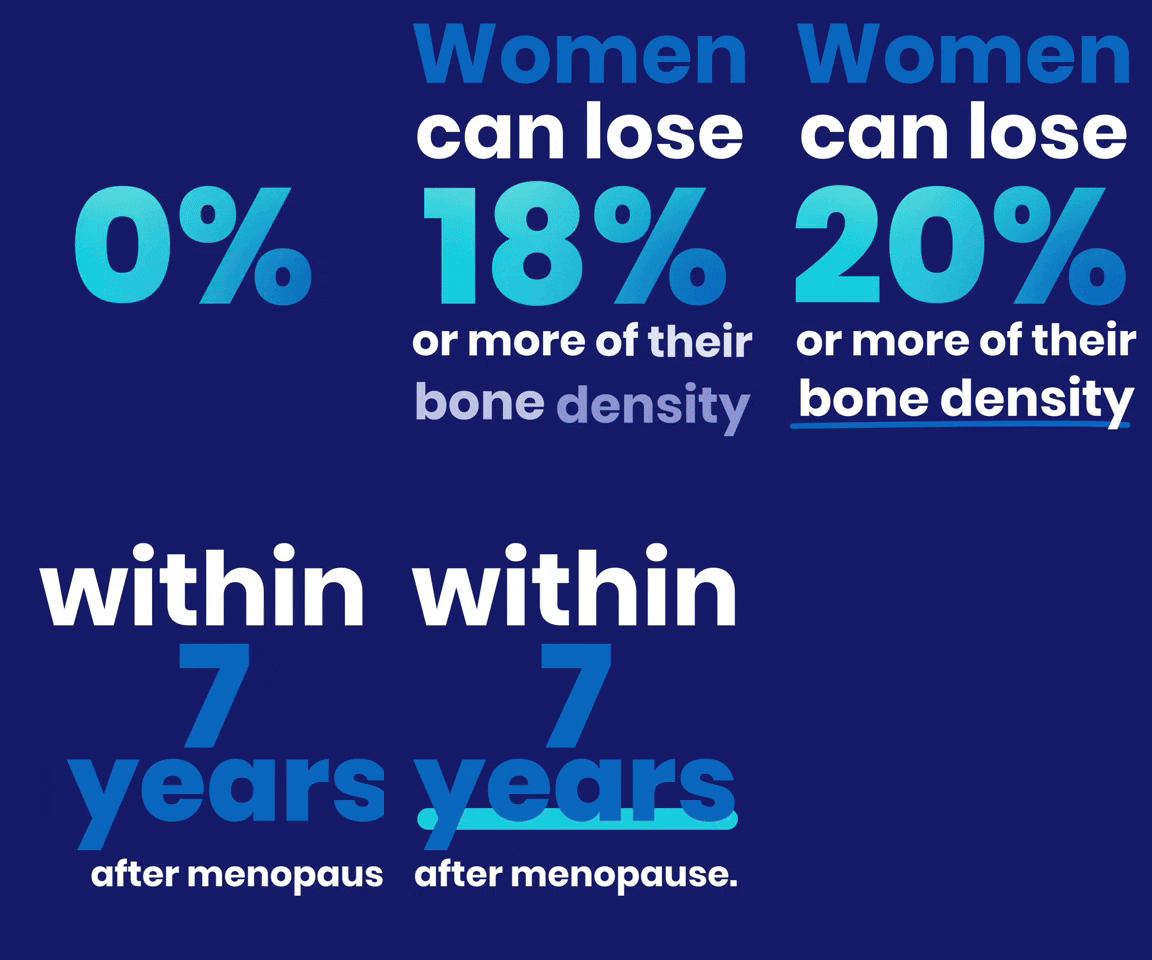
About one-third of postmenopausal women experience bone loss, which can lead to osteoporosis and a higher risk of fractures.
A 2024 study in the journal Nutrients found that diets rich in B12, vitamin D, phosphorus, and iron were linked to a lower risk of osteopenia in these women. Bone remodeling takes 90 to 120 days, so timing is important.
Iron levels change during menopause.
A 2024 systematic review found that higher serum ferritin levels were linked to faster bone loss in healthy women over 47, which is when menopause usually starts. The relationship is complex. High iron can lead to bone loss, but too little iron, which is common in perimenopause, can affect energy and thinking. The connection is not straightforward.
B12 deficiency is common.
In one study of anemic postmenopausal women, 65% had iron-deficiency anemia and 2.6% had B12 deficiency. In the wider US population, B12 deficiency ranges from 2.5% to 60% depending on age and other factors. Absorbing B12 becomes more difficult as you get older.
CoQ10 has strong evidence for benefits in heart disease, but not for menopause.
The Q-SYMBIO trial published in BMJ showed that CoQ10 reduced death and hospital stays in heart failure patients. Menopause increases cardiovascular risk, and CoQ10 supports mitochondrial energy. But no menopause-specific trials yet.
What we do not know is whether a woman with bone loss benefits more from liver capsules than from targeted B12 and vitamin D supplements. This has not been studied. It is also unproven whether CoQ10 in beef heart works better than standard CoQ10 supplements, or if freeze-drying preserves the nutrients better. These questions have not been answered in human studies.
HERE’S HOW TO ACTUALLY THINK ABOUT THIS
Do not rely on supplements to replace the information you can get from blood tests.
Step 1: Start with testing. Check your serum ferritin, B12, vitamin D, and vitamin D2/D3 levels. If your B12 is borderline, ask your doctor about a methylmalonic acid test. This only takes one visit and gives you information specific to your body. Taking supplements without knowing your levels is just guessing.
Step 2: Focus on food first. A 2025 review on diet during menopause found that overall nutrient patterns, not single supplements, predicted better bone health. Mediterranean diets with lots of leafy greens, beans, seafood, and whole grains were especially helpful. These foods provide many nutrients, cofactors, and fiber that capsules cannot offer.
Step 3: Choose targeted supplements instead of general “support blends.” If your B12 is low, standard B12 supplements like methylcobalamin or cyanocobalamin are safe and well-studied. If you need more vitamin D, D3 is supported by research. If your iron is low and you do not have bleeding, taking iron with food helps your body absorb it.
WHAT ARE THE BEST ORGAN SUPPLEMENTS FOR MENOPAUSE SUPPORT?
If you are interested in organ supplements, use them as a substitute for eating organ meats, not as a treatment. Some women do not want to eat organ meats, so freeze-dried liver can be a practical way to get these nutrients. Still, think of it as a concentrated food, not a medical therapy.

What matters if you choose this route:
Freeze-dried, not heat-processed (preserves heat-sensitive vitamins)
Transparent labeling of individual organ amounts (not proprietary blends hiding doses)
Third-party tested (NSF, USP, or ConsumerLab certification)
3,000–6,000 mg daily is the range cited in product literature, based on traditional use, not menopause-specific trials
Liver products require vitamin A monitoring if you’re also taking multivitamins or retinol skincare
The beef organ industry is unlikely to fund menopause research since it is not a pharmaceutical company. This means the lack of evidence will likely continue for years. If you decide to try these supplements, consider a 12-week trial. Bone changes take 90 to 120 days, while energy and sleep may change in 4 to 6 weeks. Keep track of any changes you notice. That is your personal data.
Rethink what “hormone support” means. Menopause is not caused by a lack of nutrients, but by hormonal changes. The right nutrients can help with bone health, energy, and mood, but organ supplements are not the cause of these improvements. CoQ10, B vitamins, iron, and magnesium help with energy, but they do not replace estrogen. If you have severe hot flashes, brain fog, or sleep problems, talk to your doctor. Supplements are not the answer for these symptoms.
The Menopause Tax™ is not just about the money you spend. It is about choosing treatments that have evidence to support them, or at least knowing what you are paying for.
The nutrients are important, and the menopause transition is important.
Now it’s your turn. Are you currently taking organ supplements? Share what influenced your decision and whether you have noticed any real changes. Feedback from your community helps guide my research and reporting.